
Abu Ubaida :: The number of people diagnosed with HIV in Bangladesh has more than doubled over the past five years, government data shows, raising concerns over rising transmission among drug users, young adults and returning migrants.
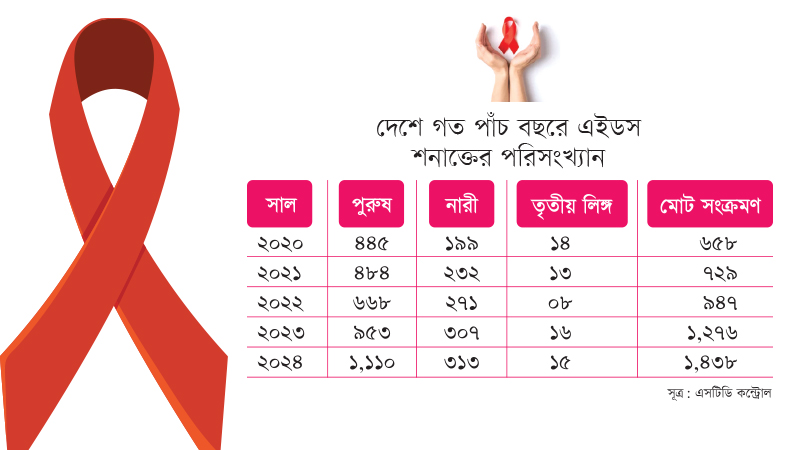
According to the National AIDS/STD Control Programme (NASP), 1,438 people tested positive for HIV in 2024, up from 658 in 2020. The highest infection rates were recorded among those aged 25–49.
Annual figures show 729 cases in 2021, 947 in 2022, and 1,276 in 2023. In 2024, of the 1,438 new cases, 1,110 were men, 313 women, and 15 transgender individuals.
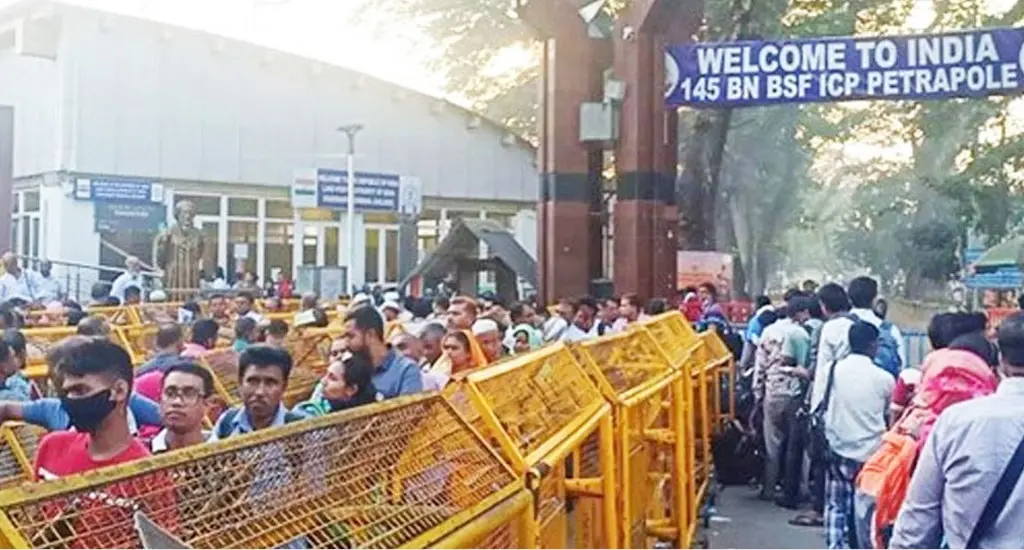
Health officials said factors contributing to the rise include needle-sharing among drug users, unsafe sexual practices, virus introduction via migrants, and limited testing.
Yusuf Ali (pseudonym), a resident of Tarash in Sirajganj district, tested positive after experiencing prolonged fever, headaches, sore throat and cough. He said he had used injection drugs and shared needles with others.
“The number of HIV-positive patients is rising rapidly,” said Dr Ratan Kumar Roy, superintendent of Bangamata Sheikh Fazilatunnesa Mujib General Hospital. “While most are injecting drug users, sex workers, transgender people, and the general population are also affected.”
Experts said social stigma discourages many from testing or seeking treatment, allowing the virus to spread. They called for increased awareness in communities, families, educational institutions, and among drug users, along with better counselling and monitoring of diagnosed patients.
NASP data shows infections over the past five years by age group: 25–49, 4,448 cases; 15–24, 1,056; 50 and above, 606; and 0–14, 253.
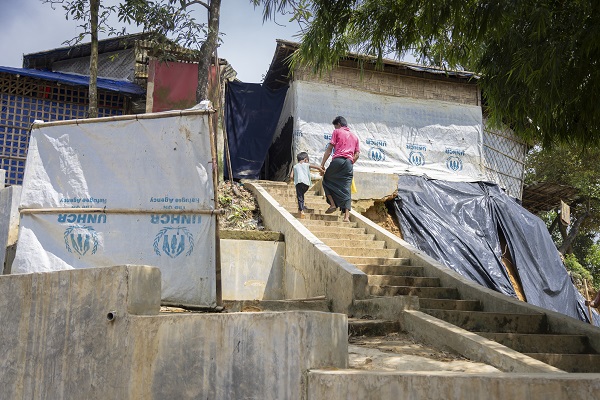
Dr Yasir Arafat, in charge of Dhaka Medical College Hospital’s retroviral therapy unit, said expanded testing and rising drug use have contributed to higher detection. “Returning migrants are also a factor, and we are seeing increased infections among Rohingya refugees,” he said.
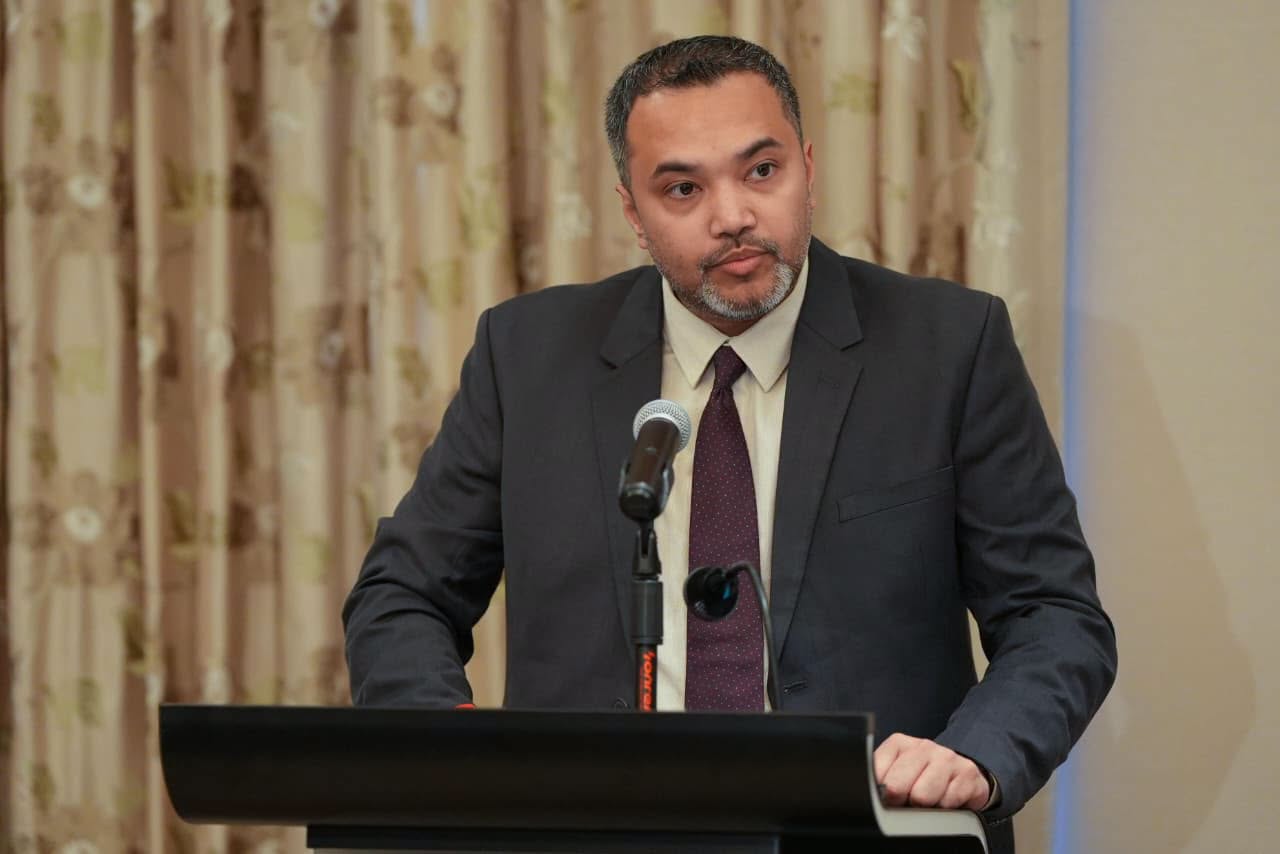
Dr Zubaida Nasreen, deputy director of NASP, said more testing is essential to controlling the disease. “Early diagnosis allows us to reduce infections. We are also strengthening testing among returning migrants,” she said.


















আপনার মতামত লিখুন :