
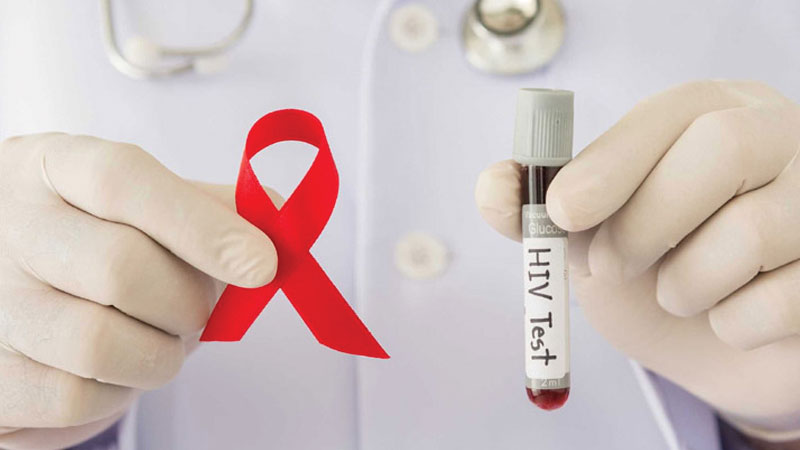
Sujan Miah :: Bangladesh has recorded a sharp rise in diagnosed HIV/AIDS cases over the last five years, with official data showing that the number of identified cases has more than doubled since 2020. Health experts warn that while expanded testing has helped uncover hidden infections, high-risk behaviors and social stigma continue to fuel the spread of the virus.
According to the National AIDS/STD Control Program, 658 AIDS cases were diagnosed nationwide in 2020. By 2024, that figure had climbed to 1,438. The upward trend was steady year by year, reflecting both increased testing capacity and growing exposure to risk factors.
In 2020, diagnosed cases included 445 men, 199 women, and 14 transgender individuals. The following year saw 729 cases—484 men, 232 women, and 13 third gender individuals. In 2022, the total rose to 947, including 668 men, 271 women, and eight transgender people. The number jumped further in 2023 to 1,276 cases, before reaching 1,438 in 2024, of which 1,110 were men, 313 women, and 15 third gender individuals.
Health authorities report that people aged 25 to 49 remain the most affected group. Over the past five years, a total of 4,448 infections were detected in this age bracket. In comparison, 1,056 cases were identified among those aged 15–24, 606 among people aged 50 and above, and 253 among children aged 0–14.
Behind the statistics are personal stories like that of Yusuf Ali (name changed), a resident of Tarash Upazila in Sirajganj. After suffering from persistent fever, headaches, sore throat, and dry cough, he sought medical help and tested positive for HIV. Yusuf later admitted that he had been using injectable drugs for years and often shared needles with others.
Dr. Ratan Kumar Roy, Director of the 250-bed Bangamata Sheikh Fazilatunnesa Mujib General Hospital in Sirajganj, said the number of HIV-positive patients in the district has increased significantly in recent years. “Most of the patients are drug users who relied on injectable substances. However, sex workers, transgender people, and members of the general population are also being affected,” he said.
Although testing and treatment facilities are available, Dr. Roy noted that fear of social stigma discourages many people from seeking care. “Because of shame and discrimination, patients avoid testing and treatment, which allows the infection to spread silently,” he added.
Public health experts stress that preventing HIV transmission among injection drug users requires extensive awareness campaigns—not only among users themselves, but also within families, communities, and educational institutions. They also point to insufficient counseling and follow-up for diagnosed patients as a major gap in the current response.
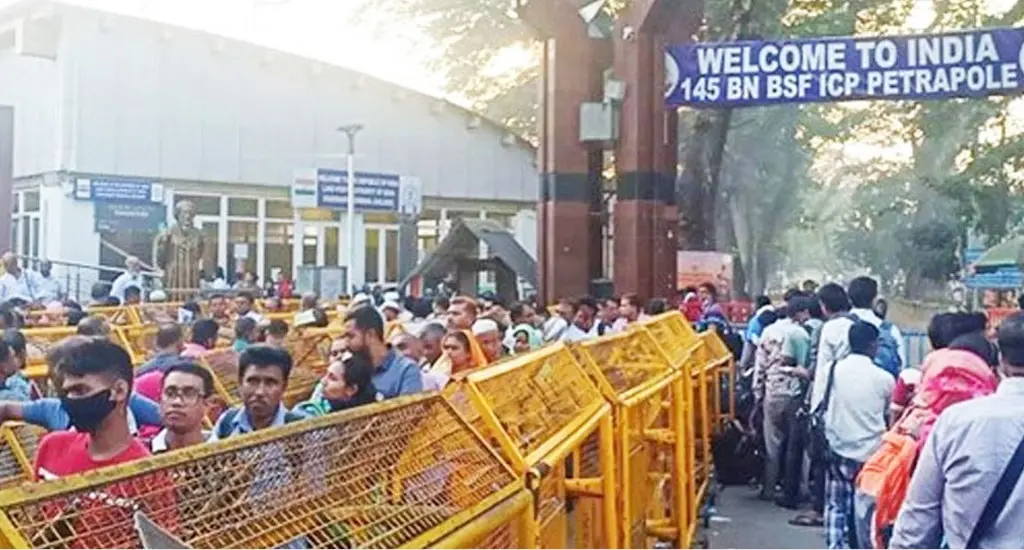
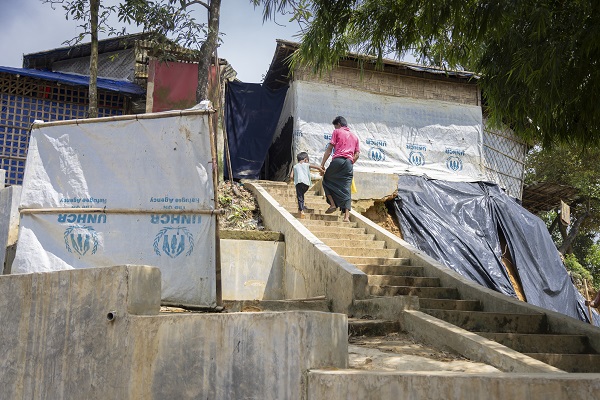
Dr. Yasir Arafat, RP in-charge at Dhaka Medical College, said that increased testing is one of the main reasons behind the rise in detected cases. “More people are being tested now than before, which naturally leads to higher detection,” he told Bonik Barta. “At the same time, the growing number of drug users, infections brought by migrants returning from abroad, and rising cases among the Rohingya population are contributing to the trend.”
Echoing this view, Dr. Zubaida Nasreen, Deputy Director of the National AIDS/STD Control Program, said expanded testing is essential to controlling the disease. “Identification is the first step to prevention,” she said. “We are strengthening HIV screening, particularly for migrant workers, so that infections can be detected early and transmission reduced.”
Health officials believe that sustained testing, targeted awareness programs, and reduced stigma are key to reversing the upward trend of HIV infections in Bangladesh.













আপনার মতামত লিখুন :